Powering the Future of Logistics
The Electrification of Long-Haul Trucks
The shift towards electric heavy-duty transport has become a European trend. In Austria alone, 1,829 electric trucks were newly registered by mid-2025 – up from just 133 in 2024. Across the EU, the number of e-truck registrations has grown more than fivefold since 2022. To turn this momentum into real operational efficiency, fleets need reliable, high-power fast-charging solutions along key corridors and at depots.
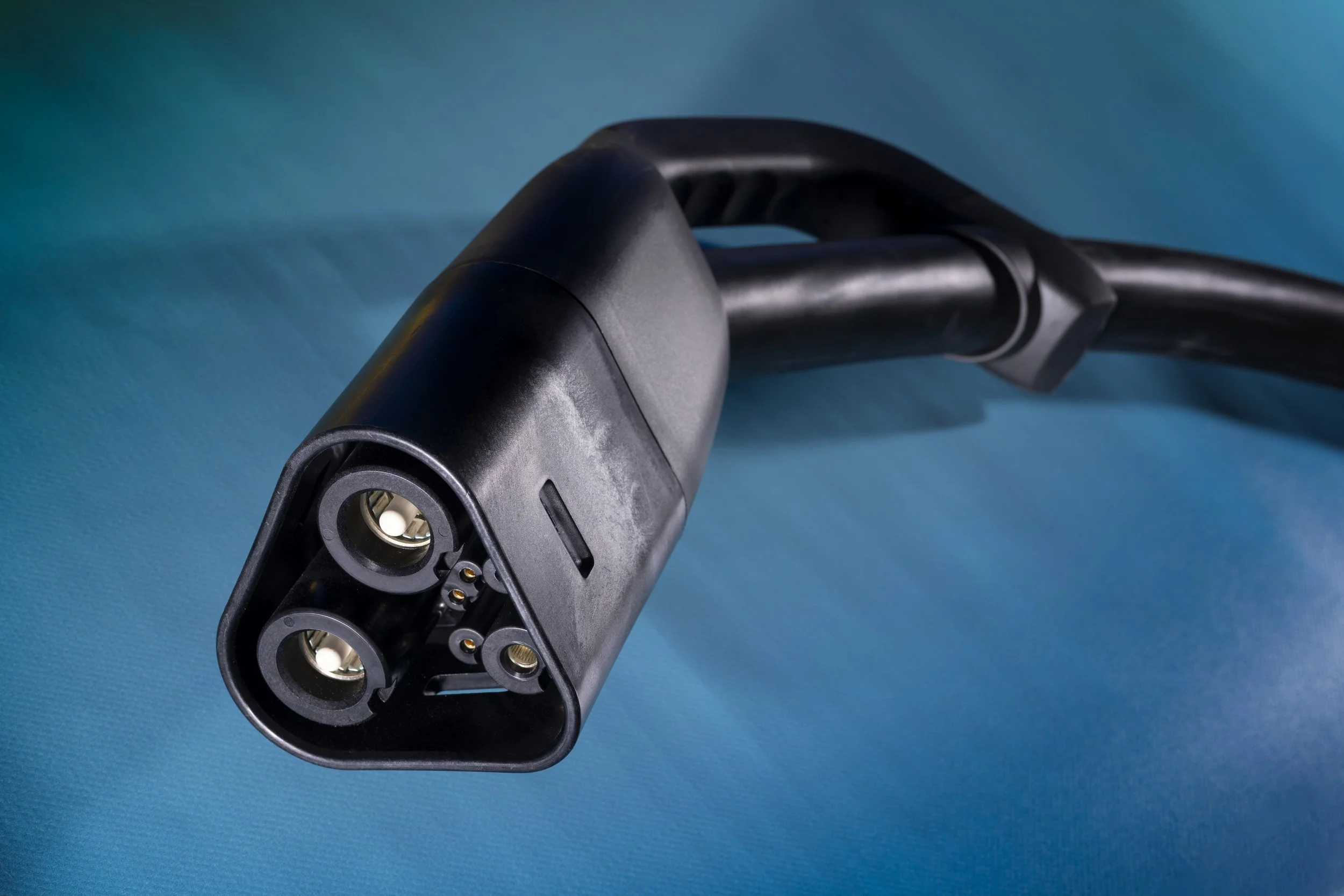
High-performance megachargers play a critical role in this transition. By delivering ultra-fast charging in minutes rather than hours, they minimize downtime, support time-sensitive logistics, and make electric transport a reliable alternative. For logistics companies, investing in electric fleets and the right charging infrastructure is a strategic move toward long-term competitiveness, compliance, and resilience in a transforming market.
Ultra-Fast Charging for Heavy-Duty Fleets
EU rules require truck drivers to take a 45-minute break after 4.5 hours of driving. At typical highway speeds (80 km/h), that’s about 360 km. To recover that range within the break window, fleets need around 0.7-1.0 MW average charging power (depending on energy consumption).
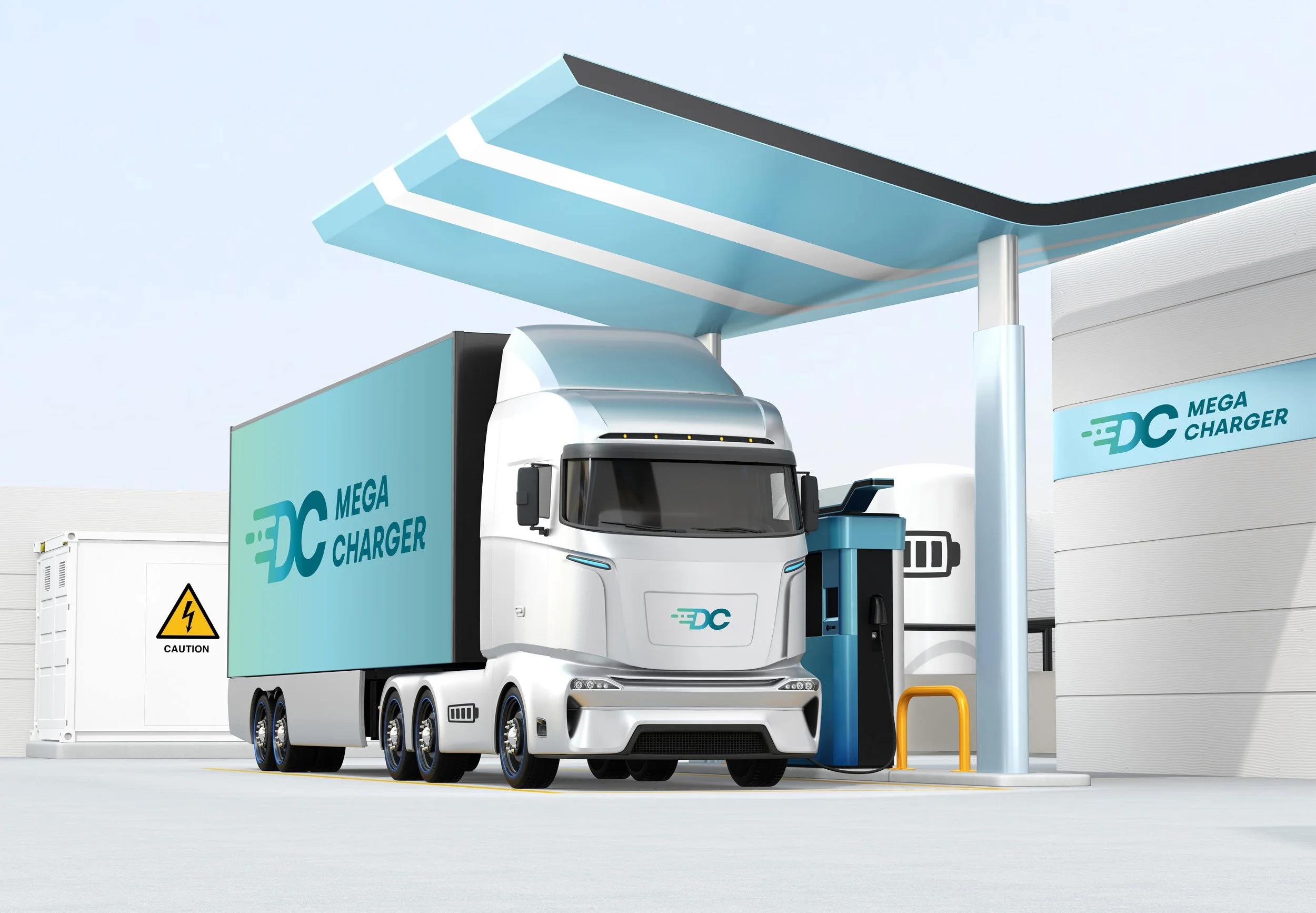
DC Megachargers deliver multi-megawatt power (MCS-ready), enabling ultra-fast charging that turns mandatory breaks into meaningful range recovery – sufficient to cover the next driving leg without extending turnaround times.
Austria aims for a CO2-neutral transport system by 2040, while road freight volumes are set to rise substantially. Overnight depot charging alone won’t be enough. High-power charging on highways is becoming essential and DC Megachargers are built for exactly this.